Key Takeaways
- Offset printing is best for large-volume, high-quality projects with precise color accuracy.
- Digital printing is ideal for short runs, fast turnaround times, and personalized content.
- Offset offers superior finishing options and material flexibility, while digital provides cost efficiency for smaller jobs.
- Businesses should consider print volume, timeline, and customization needs when choosing a method.
- A hybrid approach can combine both offset and digital printing for maximum efficiency and marketing impact.
In today’s fast-paced business environment, selecting the appropriate printing method is essential for effective marketing and communication. Two primary techniques dominate the industry: offset and digital printing. Understanding their differences can help businesses make informed decisions tailored to their specific needs. For those seeking professional assistance, MidAmerican Printing Systems offers comprehensive Commercial Printing Services in Chicago. Established in 1985, MidAmerican Printing Systems has grown into a leading full-service printing company, providing offset and digital printing, mailing, and fulfillment solutions to a diverse clientele in the Chicago area.
Table of Contents
Understanding Offset Printing
Offset printing is a traditional method in which inked images are transferred from metal plates to a rubber blanket, then to the printing surface. This process is renowned for producing high-quality, consistent prints, especially for large-volume projects. It’s ideal for materials like magazines, catalogs, and packaging inserts. The initial setup involves creating plates and calibrating the press, which can be time-consuming and costly. However, once set up, offset printing becomes highly efficient for large runs, offering lower per-unit costs as quantity increases. Additionally, offset printing excels in color accuracy, particularly when using the Pantone Matching System, ensuring precise brand color reproduction.
Another advantage of offset printing is the wide range of paper types and finishes it supports. Whether businesses need glossy, matte, or specialty papers, offset presses can handle complex printing requirements, such as metallic inks and specialty coatings, that digital systems may struggle to reproduce. This quality and flexibility make offset printing the industry standard for books, detailed brochures, posters, and other visually demanding applications. Offset printing also supports larger print formats, enabling the creation of large posters, banners, and even packaging prototypes. While the initial setup is labor-intensive, the quality, consistency, and scalability make offset printing the preferred choice for many print projects where brand presentation and quality are paramount.
Exploring Digital Printing
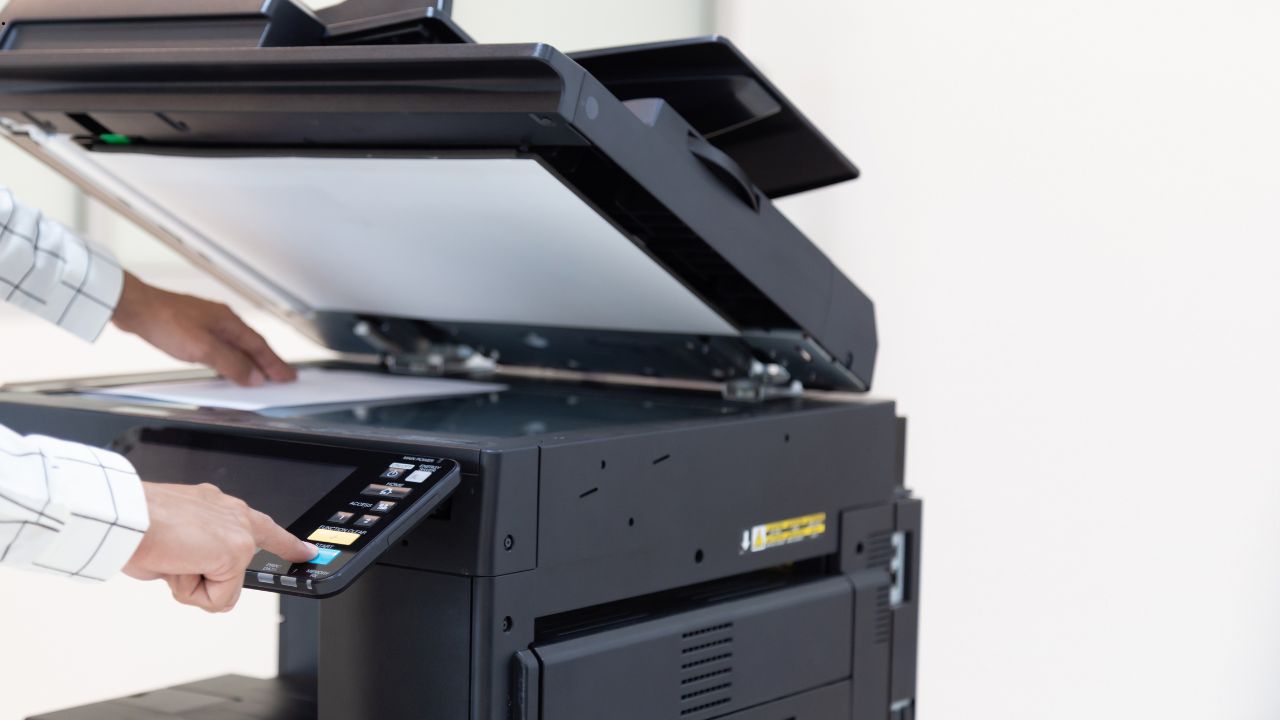
Digital printing eliminates the need for plates by transferring digital files directly onto the printing substrate. This method is perfect for short runs, quick turnarounds, and personalized content. It’s commonly used for business cards, flyers, and direct mail campaigns. Digital printing offers flexibility, enabling easy updates and modifications without high additional cost. Businesses handling documents like printing checks can benefit greatly from digital printing’s on-demand convenience and low setup cost. While early digital prints couldn’t match the quality of offset printing, advancements have significantly narrowed this gap, making digital printing a viable option for many businesses. A key benefit of digital printing is its support for on-demand printing with minimal waste. Businesses can print exactly the number of pieces needed, reducing storage costs and environmental impact. Digital printing technology also integrates seamlessly with variable data capabilities, letting marketers personalize every piece with unique names, images, or coupon codes, an essential feature for data-driven campaigns. Lower setup costs mean frequent revisions and short-run projects can be managed cost-effectively, helping businesses respond quickly to market changes or launch targeted campaigns. Moreover, digital presses can print on a variety of substrates, though they may have some limitations when it comes to specialty paper stocks compared to offset presses.
Key Differences Between Offset and Digital Printing
- Cost Efficiency: Offset printing becomes more cost-effective for larger print runs due to the initial setup costs being spread over more units. In contrast, digital printing is more economical for smaller quantities, as it doesn’t require extensive setup.
- Turnaround Time: Digital printing offers faster turnaround times, making it suitable for projects with tight deadlines. Offset printing, while efficient for large volumes, requires more setup time, leading to longer production schedules.
- Customization: Digital printing excels in variable data printing, allowing for personalized content on each piece. Offset printing is less flexible in this regard, as each print in a run is identical to the others.
In addition, the durability and finishing options available with offset tend to be more robust, making it better suited for projects that require special finishing, such as embossing, debossing, foil stamping, or UV coating. Digital printing, on the other hand, is unmatched for projects that need to be produced quickly and benefit from tailored messaging or frequent design changes, such as event invitations or limited-edition runs.
Choosing the Right Method for Your Business
When deciding between offset and digital printing, consider the following factors:
- Print Volume: For large quantities, offset printing is generally more cost-effective. For smaller runs, digital printing is preferable.
- Timeline: If you need materials quickly, digital printing’s faster setup and production times are advantageous.
- Personalization: For projects requiring individualized content, such as direct mail campaigns, digital printing is the better choice.
- Material Choices: Offset printing provides access to a wider variety of papers and specialty finishes for higher-end marketing collateral, while digital printing is more suited to standard paper types and quick jobs.
- Color Accuracy and Quality: When precise color matching is critical, such as with company branding, offset may be the preferred choice for its Pantone color capabilities.
As digital printing technologies continue to evolve, the capabilities gap between digital and offset is narrowing. Digital presses now offer improved image resolution, better color consistency, and even some specialty ink options. However, offset still dominates when absolute quality and finishing are required for high-stakes projects. The decision ultimately depends on the unique requirements and goals of each business or campaign.
Combining Both Methods
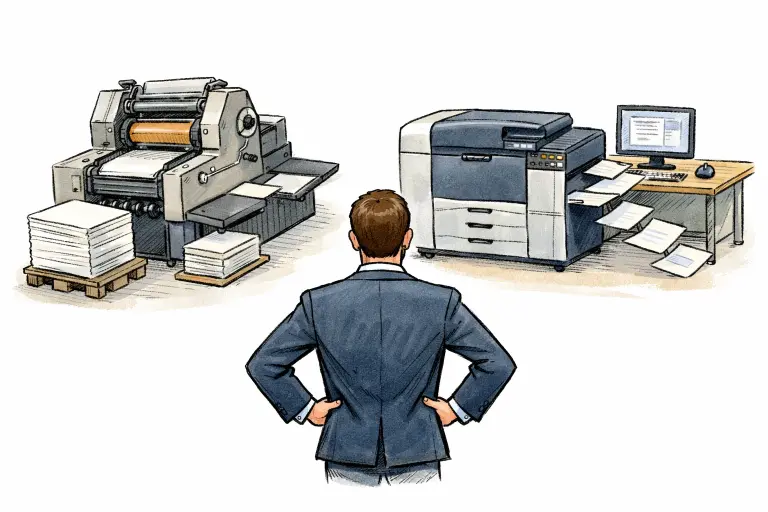
Some businesses find that a hybrid approach works best. For instance, they might use offset printing for large-volume, static content and digital printing for smaller, personalized batches. This strategy leverages the strengths of both methods to effectively meet diverse needs. For multichannel marketing campaigns, this combination is especially powerful. Consider a product launch in which core brand collateral is offset-printed for mass distribution while maintaining strict color standards. At the same time, a digital press handles tailored mailers or event badges for specific VIP recipients. This dual approach not only optimizes costs but also enhances audience engagement by allowing for direct, personalized communication alongside high-quality branded materials. Businesses can therefore maximize their return on investment and reinforce brand integrity while innovating with personalized content.
Conclusion
Understanding the distinctions between offset and digital printing empowers businesses to choose the most suitable method for their projects. By evaluating factors like volume, timeline, and customization needs, companies can optimize their printing strategies to achieve high-quality results efficiently. Ultimately, there is no one-size-fits-all answer. Successful printing strategies are based on careful evaluation of current and future needs, budgetary considerations, and the desired marketing impact. Working with printing professionals, such as the experienced team at MidAmerican Printing Systems, ensures that you can take full advantage of both traditional and modern printing technologies for outstanding results. Whether you aim to impress clients with stunning catalogs or reach specific audiences with targeted mailers, understanding your options is the key to making informed business decisions that enhance your brand’s visibility and effectiveness.