
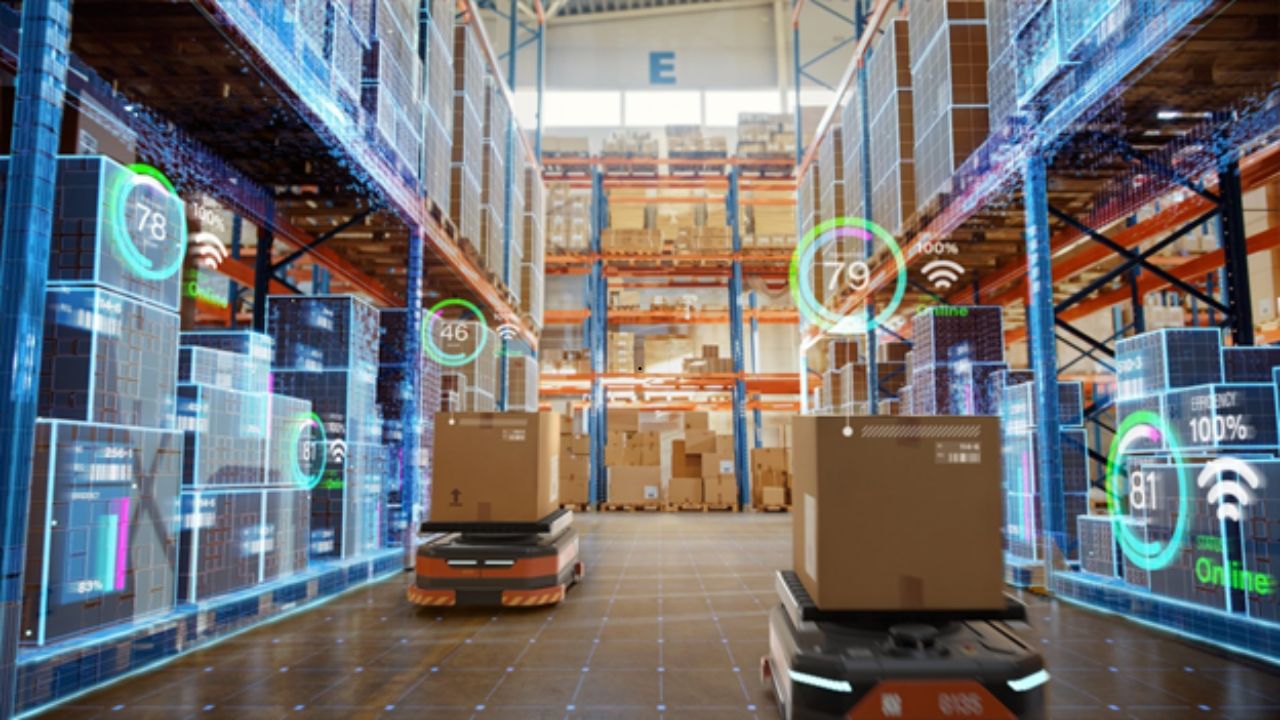
Modern supply chains require, well, modern solutions. As e-commerce is growing and customer expectations are rising, while labor shortages are also persisting, there is no denying the fact that companies are turning towards such modern solutions in order to increase efficiency, accuracy, as well as throughput. And, well, as you may have guessed it, I am talking about leveraging automated systems with those aims in mind.
So, since you are here, I believe it is completely safe to assume that you have become quite interested in this topic. To be more precise, you have become interested in better understanding Digital Warehouse Automation, as well as figuring out if this is something you want to do and why, as well as how to do it the right way and be successful in the implementation process. And those are all, without a doubt, rather important questions that you absolutely want to get your answers to before making any final decisions.
Well, if you are ready to get your answers, then you have undeniably come to the right place. What we will do in this article is explain warehouse automation to you completely, so that you can understand what it entails. And then, we will talk about some of the benefits of doing this, hoping to help you decide for yourself if you should do it or not. In the end, we will also talk a bit about how you can do it successfully, thus getting you prepared for the entire process.
What Is Warehouse Automation?
Let us start from scratch. After all, it would be weird to start talking about the benefits of warehouse automation and about how you can do this successfully if you’re not even sure that you understand what it entails. Thus, we have to begin with explaining what it entails.
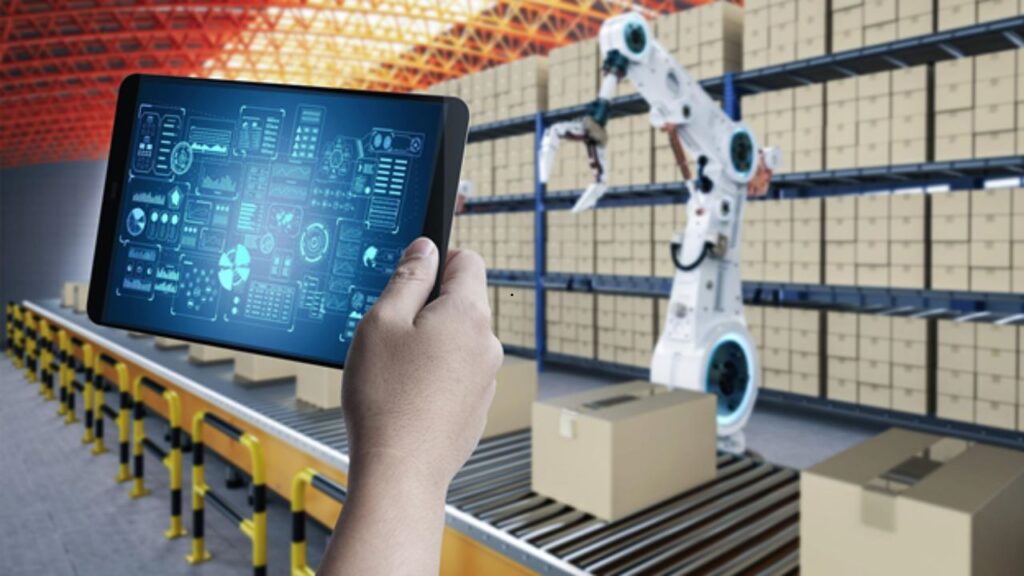
To cut right to the chase, therefore, warehouse automation refers to using technology and systems to perform certain tasks that have traditionally been done by human labor. Thus, instead of relying on manual processes, such as paper pick lists, human data entry and similar, automation introduces some equipment and software solutions that execute tasks with minimal human intervention. Some examples include conveyor systems, robots, and smart storage setups, along with essential warehouse products that keep operations structured and efficient. All of these technologies work together to streamline the workflow, as well as reduce errors and accelerate throughput.
Here is more on warehouse automation: https://www.indeed.com/career-advice/career-development/warehouse-automation
What Are the Benefits of Doing This?
Okay, you probably now get what this is, but what you want to do next is figure out why it matters so much. In other words, you want to understand the benefits of warehouse automation, so that you can then decide for yourself if you want to do this or not. So, let us check some of those out right away, hoping to help you understand what this brings to the table, and thus be able to more easily make up your mind.
First things first, we cannot deny the fact that finding and retaining warehouse labor is becoming increasingly difficult, as well as expensive in multiple regions. So, what automation can do is help reduce dependency on manual labor, thus allowing your staff to focus on higher-value tasks, while also improving their safety. All of this means that you can significantly boost productivity, without at the same time having to worry about finding and retaining workers for those repetitive and often dangerous tasks in the warehouse.
Moving on, we cannot fail to mention that automation accelerates nearly every single warehouse function. It helps pick orders faster, move products between zones more quickly, as well as reduce downtime and bottlenecks. Operating continuously and precisely, such systems allow you to meet tighter delivery windows, as well as more easily handle order surges, especially during those peak seasons. Read more about warehouse management in general.
Of course, you know already that manual processes are prone to human error. On the other hand, automated technologies are known for their ability to dramatically improve accuracy. This results in fewer returns, as well as happier customers and lower operational costs. And apart from all of that, automation systems will generate real time data on everything from stock levels to process performance, thus allowing for better forecasting, faster decision making, and similar.
How to Do It Right?
Okay, there is just one more thing left for you to learn here and that is how you can do all of this the right way. So, you start by defining your clear business goals, assessing product mix and volume and figuring out what kind of automation you would benefit from the most. Then, you partner with experienced automation consultants who can guide implementation and help you avoid common transition challenges. With the right partner on your side, things are sure to be much easier.